

 JA
JA  EN
EN  ES
ES  PT
PT  VI
VI  FR
FR  DE
DE  IT
IT  KO
KO  AR
AR  PL
PL  TR
TR  BG
BG  MS
MS  RU
RU アプリケーションニュース
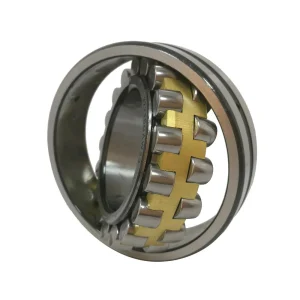
What is a Roller Bearing?: A Practical Guide to Selecting from 4 Main Types in 2026
Abstract A roller bearing is a fundamental mechanical component engineered to mitigate rotational friction and support loads between moving parts. This is achieved through the use of cylindrical or barrel-shaped rolling elements situated between two concentric rings, known as races. Unlike ball bearings, which utilize point contact, a roller bearing employs line contact between the rolling element and the raceways. This geometric distinction allows for the distribution of loads over a larger surface area, granting roller bearings a significantly higher capacity for carrying heavy radial and impact loads. They are indispensable in a vast array of heavy-duty applications, from automotive transmissions and industrial gearboxes to construction machinery and wind turbines. […]
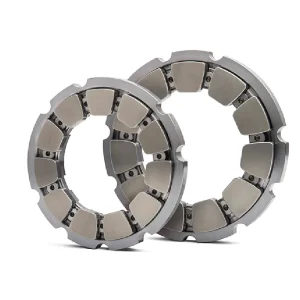
7 Proven Answers for What is a Plain Bearing Used For: A 2026 Buyer’s Guide
Abstract A plain bearing, in its most fundamental form, is a mechanical element designed to reduce friction between moving parts, providing support for linear, oscillating, or rotational motion. Unlike rolling-element bearings that utilize balls or rollers, a plain bearing functions through a sliding action between two surfaces. Its operation often relies on a layer of lubricant, such as oil or grease, to create a fluid film that separates the surfaces, a principle known as hydrodynamic lubrication. However, many modern variants are designed for dry-running conditions using self-lubricating materials like polymers or composites. These components are valued for their high load-carrying capacity, excellent shock resistance, simple design, and cost-effectiveness. Their applications […]
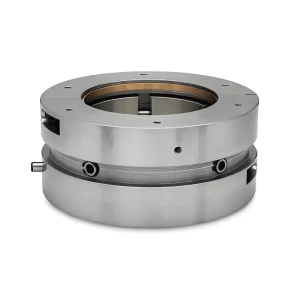
Where Are Plain Bearings Used?: An Expert Guide to 7 Key Industrial Applications in 2026
Abstract Plain bearings, often referred to as bushings or journal bearings, represent a fundamental category of mechanical components designed to facilitate motion between surfaces through a sliding action. Unlike rolling-element bearings that utilize balls or rollers to minimize friction, plain bearings function based on the principles of tribology, where the interaction of surfaces in relative motion is managed through material selection, lubrication, and geometric design. This comprehensive exploration examines the diverse and demanding environments where plain bearings are utilized. The analysis covers their critical function in high-load, low-speed applications, and situations involving oscillatory or intermittent motion. Key industrial sectors, including automotive, heavy construction, aerospace, agriculture, and power generation, are investigated […]
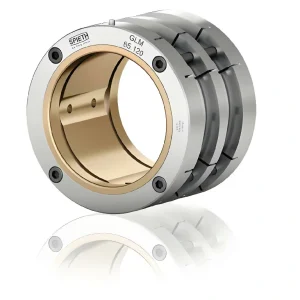
A Practical Buyer’s Guide for 2026: What is a Plain Bearing & 5 Key Selection Criteria
Abstract A plain bearing is a mechanical element engineered to support a load and reduce friction between moving parts through a sliding action. Unlike rolling-element bearings that utilize balls or rollers, a plain bearing's functionality relies on direct surface contact, often separated by a thin film of lubricant. These components, also known as bushings or journal bearings, consist of a stationary outer surface and a rotating or sliding inner surface. Their design simplicity belies a sophisticated interplay of material science, tribology, and fluid dynamics. They are particularly adept at handling high static and dynamic loads, including shock and vibration, making them suitable for demanding industrial environments. The performance of a […]
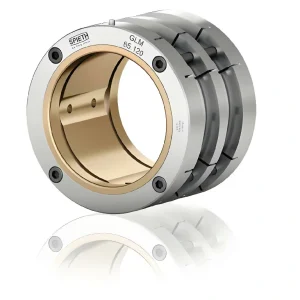
Expert Guide 2026: What Are Plain Bearings Made Of? 7 Key Material Types
Abstract Plain bearings, fundamentally simple in concept yet complex in material science, are constructed from a diverse spectrum of materials tailored to specific operational environments. The selection of a material is not arbitrary; it is a deliberate engineering decision that dictates the bearing's performance characteristics, including its load-bearing capacity, frictional properties, thermal resistance, wear life, and chemical inertness. An inquiry into what are plain bearings made of reveals a landscape of metals, polymers, composites, and ceramics. Metallic options like bronze and babbitt offer high strength, while advanced polymers such as PTFE and PEEK provide self-lubricating properties for maintenance-free operation. Composite bearings synergize these benefits, combining metal backings with polymer linings. […]
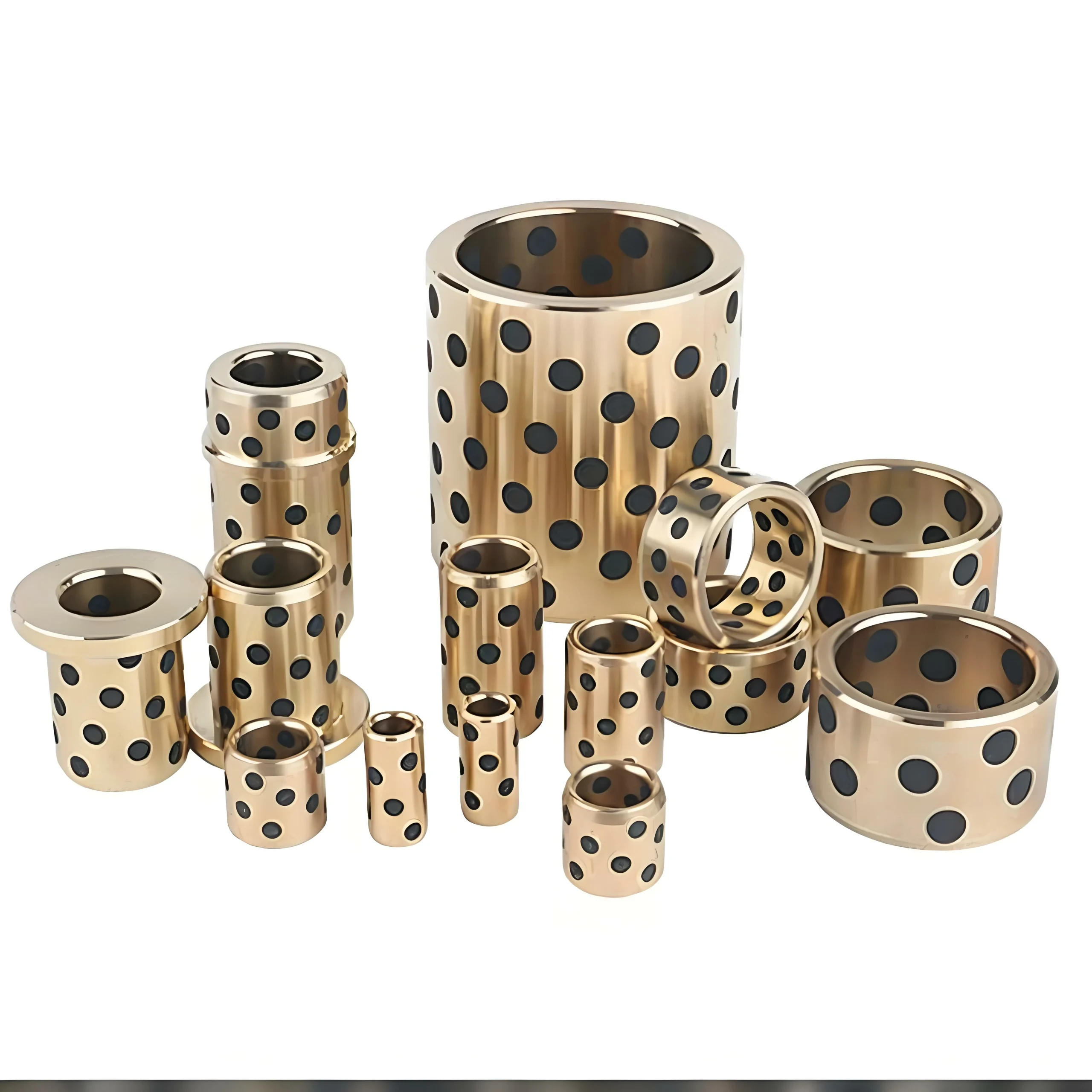
What Are Plain Bearings?: An Expert Guide to Types, Materials & 7 Industrial Uses
Abstract This article provides a comprehensive examination of plain bearings, exploring their fundamental principles, design variations, and material compositions. It delineates the core concept of plain bearings as components that facilitate motion through a sliding action, contrasting them with the rolling mechanism of ball and roller bearings. The analysis extends to the diverse family of plain bearings, including sleeve, flange, and thrust types, clarifying common terminologies like "bushing." A significant portion is dedicated to the materials used in their construction, from traditional metals like bronze to advanced self-lubricating polymers and composites, which have expanded their application range. The text investigates various lubrication regimes, such as hydrodynamic, hydrostatic, and boundary lubrication, […]
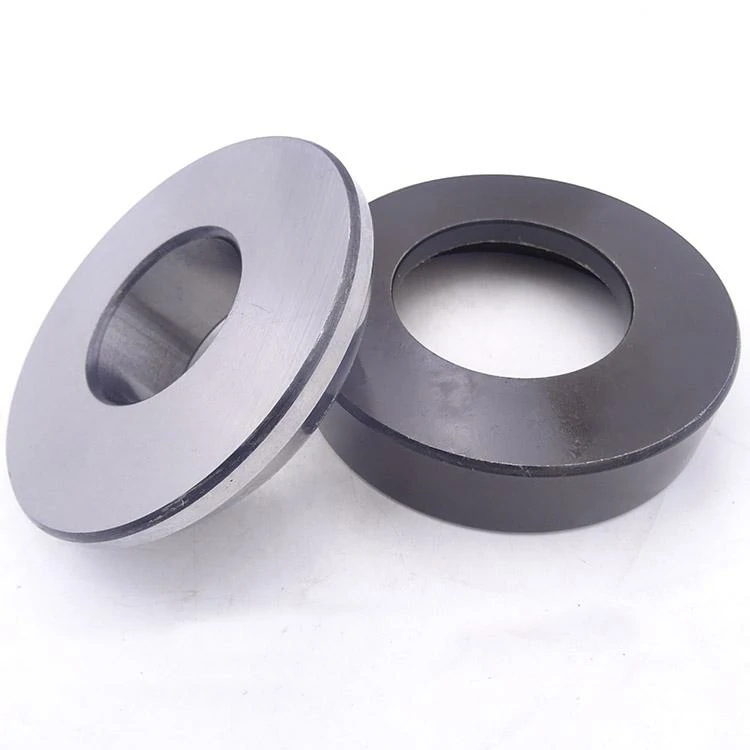
How Does a Plain Bearing Work, and Why Does It Still Matter in Modern Industry?
How does a plain bearing work, and why do so many industrial systems still rely on this seemingly simple component? At its core, a plain bearing works by allowing relative motion between two surfaces through controlled sliding rather than rolling, using a lubricating film or self-lubricating material to reduce friction and wear. For B2B buyers, engineers, and procurement managers, understanding this working principle is essential because plain bearings remain critical in applications where load capacity, compact design, reliability, and cost efficiency outweigh the need for high rotational speed. Understanding the Fundamental Principle of Plain Bearings Plain bearings are among the oldest mechanical components, yet their operating principle remains highly relevant. […]
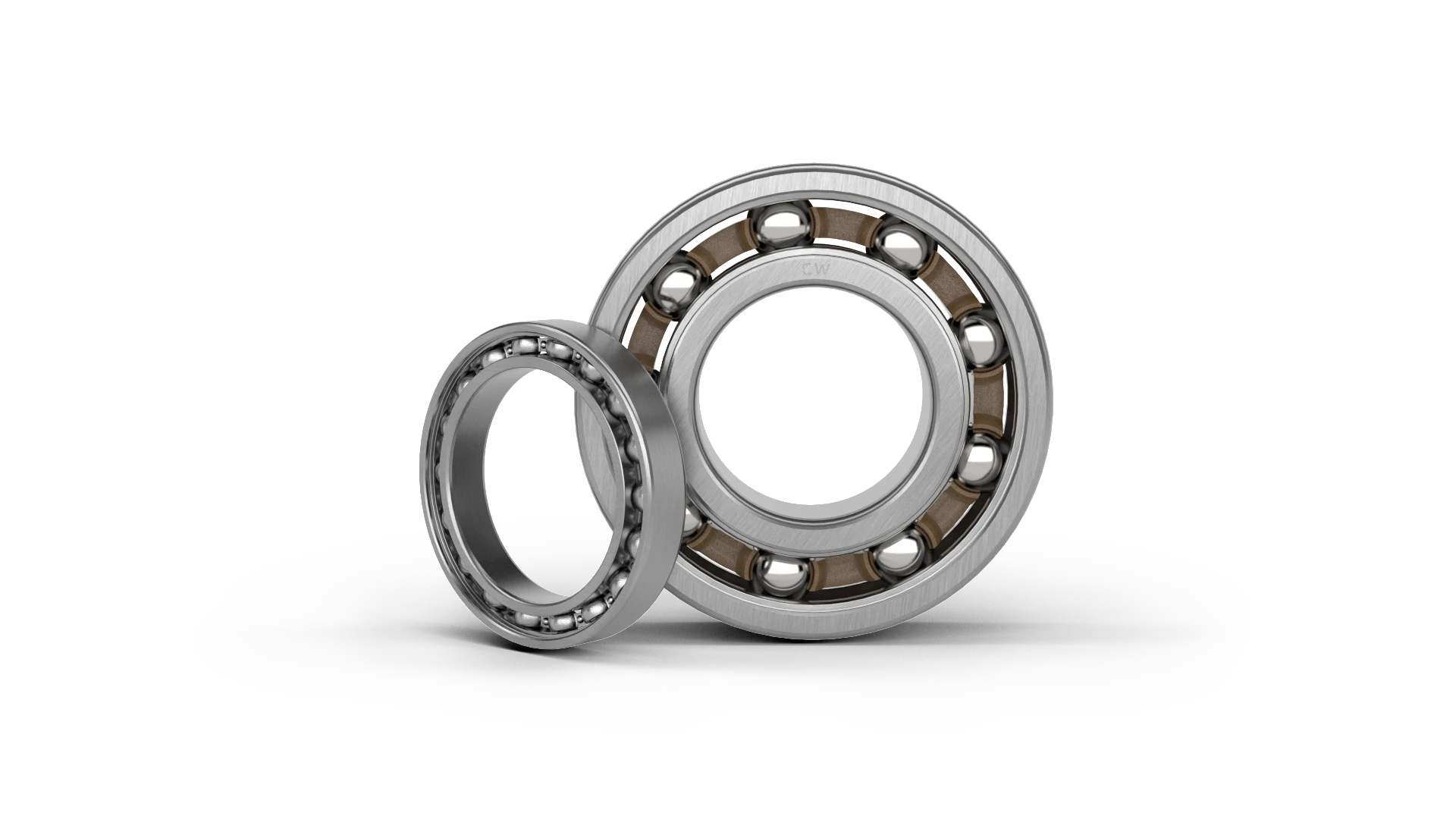
Where to Find High-Quality Plain Bearings for Industrial Applications?
Finding where to find high-quality plain bearings is not simply a sourcing question. For procurement managers, maintenance engineers, and OEM decision-makers, it is a strategic choice that directly affects equipment uptime, lifecycle cost, and operational safety. The short answer is this: high-quality plain bearings are sourced from experienced bearing suppliers with proven material expertise, strict manufacturing controls, recognized certifications, and application-driven engineering support. In practice, this means looking beyond price lists and focusing on suppliers who understand load profiles, lubrication regimes, environmental conditions, and long-term reliability. In the sections below, we explore how to identify reliable sources, what defines true bearing quality, and how industrial buyers can reduce risk while […]
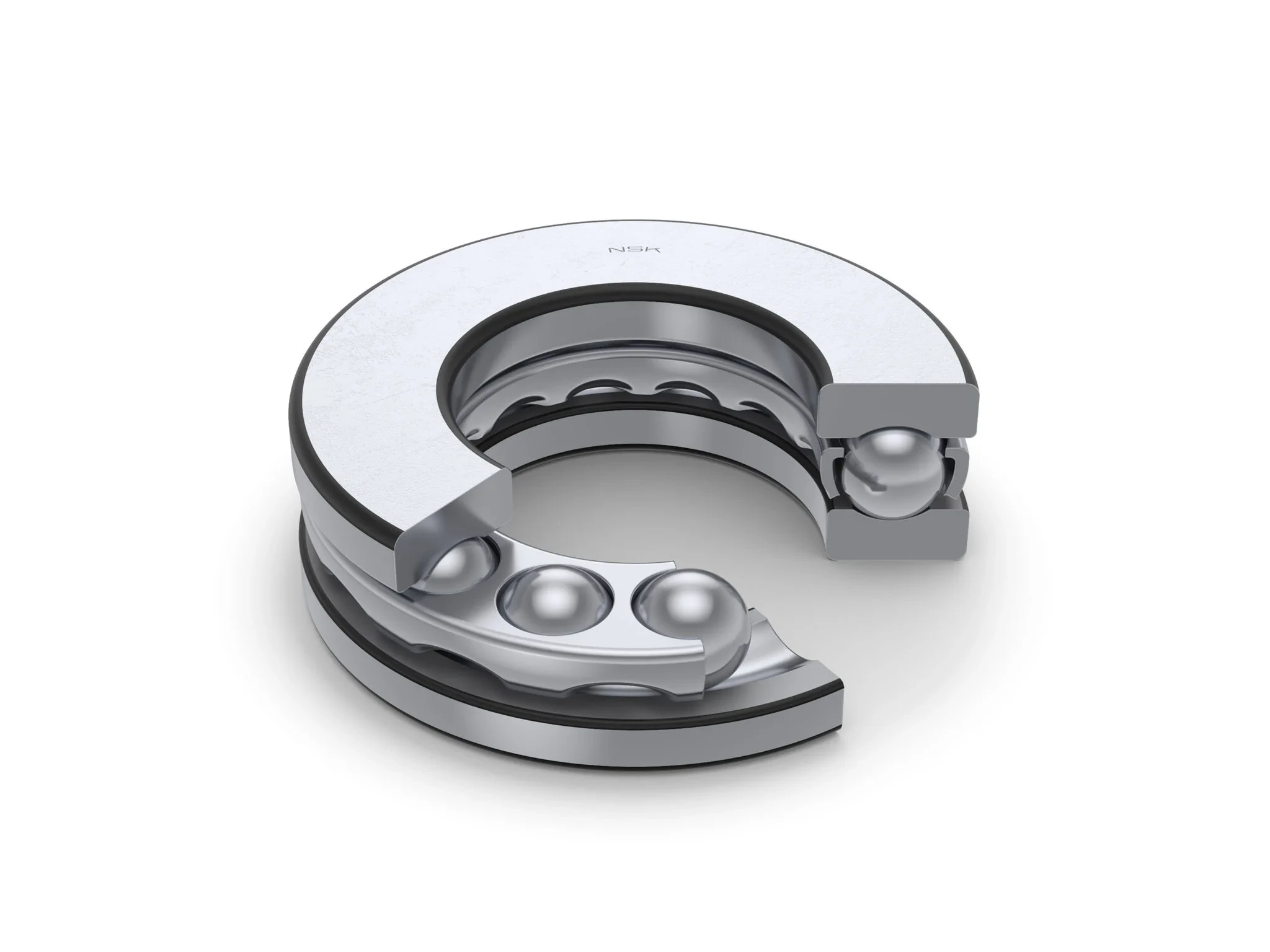
What Does a Thrust Bearing Do and Why Is It Essential in Modern Machinery?
What does a thrust bearing do? In simple terms, a thrust bearing is designed to support axial loads, meaning forces that act parallel to the shaft. Unlike radial bearings, which handle loads perpendicular to rotation, thrust bearings prevent axial movement while allowing smooth rotational motion. This function is critical in machinery where components experience pushing or pulling forces along the axis, such as pumps, gearboxes, compressors, and automotive transmissions. By managing axial loads effectively, thrust bearings help maintain alignment, reduce friction, and extend the service life of mechanical systems across a wide range of industries. Understanding Axial Load and Why It Matters Axial load is a force that pushes or […]
Expert Guide 2026: What is a Roller Bearing & 5 Selection Criteria
Abstract A roller bearing is a mechanical component designed to reduce rotational friction and support loads by using cylindrical or other non-spherical rolling elements. These elements are situated between two rings, or raceways, to facilitate the movement of machine parts. Unlike ball bearings, which use point contact, roller bearings utilize line contact, enabling them to support significantly higher radial loads, making them indispensable in heavy-duty machinery and industrial applications. This increased load capacity, however, often comes at the cost of lower speed capabilities. Different designs, such as cylindrical, spherical, tapered, and needle roller bearings, are engineered to accommodate specific load types, including radial, axial (thrust), or a combination of both, […]
-
Professional Bearing Solutions for You
標準サイズからカスタマイズ仕様まで、最高品質の製品と迅速な対応でお客様のプロジェクトをサポートいたします。
-
メッセージを残す
あなたのプライバシーを守ります
私たちは100%の機密性を保証します。お客様の情報が共有されたり、最高のサービスを提供する以外の目的で使用されたりすることは決してありません。