
 JA
JA  EN
EN  ES
ES  PT
PT  VI
VI  FR
FR  DE
DE  IT
IT  KO
KO  AR
AR  PL
PL  TR
TR  BG
BG  MS
MS  RU
RU 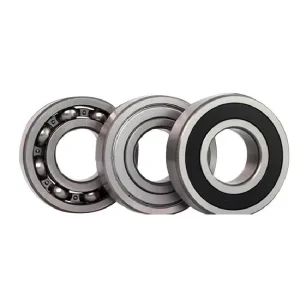
Abstract
The procurement of industrial bearings, such as roller bearings, ball bearings, and slewing ring bearings, presents a multifaceted challenge for global enterprises, particularly those operating in diverse markets like South America, Russia, Southeast Asia, the Middle East, and South Africa. The decision of where to buy bearings transcends a simple cost analysis, involving a complex interplay of technical specifications, supplier reliability, logistical intricacies, and long-term operational costs. This document provides a comprehensive framework for navigating the bearing purchasing process in 2025. It examines the critical initial step of precisely defining application requirements, including load, speed, and environmental factors. It further analyzes the distinct advantages and disadvantages of sourcing from manufacturers, authorized distributors, and online marketplaces. The discourse extends to rigorous methods for verifying product authenticity to mitigate the risks of counterfeit components. Finally, it outlines a strategic approach to evaluating the total cost of ownership, which encompasses logistics, import duties, and the value of after-sales support, thereby empowering professionals to make informed and economically sound procurement decisions.
Key Takeaways
- Precisely define your bearing's technical needs before considering where to buy bearing.
- Evaluate suppliers based on their type: manufacturer, authorized distributor, or online marketplace.
- Always verify authenticity through packaging, markings, and documentation to avoid counterfeits.
- Analyze the total cost, including shipping, import duties, and after-sales support.
- Prioritize suppliers who offer robust technical assistance and comprehensive warranty coverage.
- Consider the logistical complexities of sourcing bearings for your specific region.
- Build a long-term partnership with a reliable supplier for consistent quality and support.
Table of Contents
- Factor 1: Establishing a Foundation with Precise Bearing Specification
- Factor 2: Evaluating the Global Supplier Landscape
- Factor 3: The Imperative of Authenticity and Quality Verification
- Factor 4: Mastering International Logistics and Supply Chain Dynamics
- Factor 5: Calculating the Total Cost of Ownership (TCO) Beyond Price
- Frequently Asked Questions (FAQ)
- Conclusion
- References
Factor 1: Establishing a Foundation with Precise Bearing Specification
The journey to securing the right components for your machinery does not begin with a search for a supplier; it commences with a deep, analytical understanding of the component itself. Before one can meaningfully ask "where to buy bearing," one must first be able to answer, with unwavering certainty, "what bearing to buy." This foundational step is not a mere formality but a critical diagnostic process that dictates the success or failure of the entire procurement endeavor. A miscalculation or oversight at this stage can lead to a cascade of operational issues, from premature equipment failure and costly downtime to safety hazards. The selection of a bearing is a science, governed by the laws of physics and material science, and it demands a commensurate level of intellectual rigor. It involves a meticulous evaluation of the mechanical context in which the bearing will operate, a process that requires moving from the general to the specific, much like a physician diagnosing a patient.
The Anatomy of a Bearing: A Philosophical First Principle
To select a component is to understand its essence. A rolling bearing, in its most fundamental form, is a mechanical element designed to reduce friction between moving parts and support loads. As NSK (2024) outlines in its comprehensive catalogs, most rolling bearings consist of four principal components: an inner ring, an outer ring, a set of rolling elements (either balls or rollers), and a cage to maintain the spacing of these elements. Each part serves a distinct and indispensable purpose. The inner and outer rings provide the hardened, precision-ground raceway surfaces on which the rolling elements travel. The rolling elements themselves are the heart of the bearing, carrying the load and enabling low-friction motion. The cage, often overlooked, is the quiet facilitator, preventing the rolling elements from colliding with one another, ensuring even load distribution, and guiding them through the load zone.
Imagine the intricate dance of forces within a high-speed motor or a heavy-duty gearbox. The bearing acts as the fulcrum, the point of stability around which all this energy revolves. The choice between a ball and a roller as the rolling element is a primary philosophical division in this world. A ball bearing makes point contact with the raceway, a geometrically elegant solution that minimizes rotational friction, making it ideal for high-speed applications where efficiency is paramount (NTN Corporation, 2024). Think of the delicate hum of a computer's cooling fan or the swift spin of a dental drill; these are the domains of the ball bearing.
Conversely, a roller bearing utilizes cylindrical, tapered, spherical, or needle rollers that make line contact with their raceways. This distribution of the load over a larger area grants them a significantly higher load-carrying capacity. They are the workhorses of the industrial world, found in the rugged applications of construction machinery, mining equipment, and steel mills, where immense forces must be borne with unwavering reliability. The decision of where to buy bearing components is thus predicated on this first choice, which is dictated entirely by the demands of the application.
The Great Divide: Ball Bearings vs. Roller Bearings
The distinction between ball and roller bearings represents a fundamental trade-off between speed and load capacity. This is not merely a technical detail; it is a strategic choice that shapes the design and performance of the entire machine. To make an informed decision, one must engage in a comparative analysis, weighing the virtues and limitations of each type.
| Feature | ボールベアリング | ローラーベアリング |
|---|---|---|
| Contact Type | Point Contact | Line Contact |
| Primary Strength | High-speed capability, lower friction, and lower torque. | High radial load capacity, high rigidity, and shock resistance. |
| Load Handling | Good for moderate radial and axial loads. | Excellent for heavy radial loads; some types handle heavy axial loads. |
| Speed Limit | Generally higher due to lower friction and heat generation. | Generally lower due to higher friction from line contact. |
| Misalignment | Limited tolerance, except for self-aligning types. | Limited tolerance, except for spherical and self-aligning types. |
| Typical Applications | Electric motors, computer hard drives, fans, high-speed spindles. | Gearboxes, construction machinery, railway axle-boxes, steel mills. |
This table serves not as a rigid set of rules, but as a framework for thought. Consider the context of your operation. For a high-speed conveyor system in a logistics hub in Southeast Asia, the low friction of deep groove ball bearings might be the priority to maximize energy efficiency. For a rock crusher operating in a South African mine, the immense shock resistance of a spherical roller bearing is non-negotiable. The question of where to buy bearing supplies is secondary to the question of what fundamental principle—point contact or line contact—best serves your machine's purpose.
Decoding the Language of Bearings: Numbers and Specifications
Once you have chosen the fundamental type, the next layer of complexity involves navigating the specific nomenclature and technical specifications that define a bearing. Manufacturers like NTN and NSK have developed standardized numbering systems that act as a universal language for engineers and procurement specialists. These codes are not arbitrary; they are dense with information. As detailed in NTN's "Ball and Roller Bearings" catalog, a typical bearing number like NU 22 04 EA T2X C3 is a complete sentence describing the bearing's identity (NTN Corporation, 2024).
Let's break down this language:
- Basic Number: This core component indicates the bearing type, dimension series, and bore size. For instance, NU denotes a cylindrical roller bearing with two ribs on the outer ring and no ribs on the inner ring, making it suitable as a free-end bearing to accommodate thermal expansion. The 22 refers to the dimension series, a combination of the width and diameter series, which defines the bearing's robustness for a given bore size. The 04 is a code for the bore diameter (in this case, 20 mm).
- Supplementary Codes (Suffixes): These codes provide critical details about the bearing's internal construction, seals, cage material, and clearance. EA signifies a high-capacity design, a hallmark of the ULTAGE™ series. T2X might specify a particular cage material and design. C3 is a crucial indicator of the bearing's internal clearance, denoting a clearance greater than "Normal" (CN), which is often necessary for applications involving temperature differentials or interference fits.
Understanding this system is empowering. It transforms the act of purchasing from a blind request for "a bearing" into a precise specification for a component with a known geometry, material, and performance envelope. When you approach a supplier, whether in Russia or Brazil, equipped with this specific knowledge, you are no longer just a customer; you are an informed partner in the transaction. This specificity is your first and best defense against being sold an incorrect or counterfeit part. The deliberation over where to buy bearing parts becomes far more productive when the "what" is established with such precision.
The Application's Demands: Load, Speed, and Environment
The final and most nuanced part of the specification process involves a deep analysis of the bearing's operational context. This is where a purely theoretical understanding must be married to the practical realities of the machine's life. The three pillars of this analysis are load, speed, and environment.
Load: The forces a bearing must endure are rarely simple or constant. You must consider not only the magnitude but also the direction of the load. Is it a pure radial load (perpendicular to the shaft), a pure axial load (parallel to the shaft), or a combined load? Is the load steady, or does it involve vibration and shock?
- Calculating Bearing Loads: As explained in bearing handbooks, calculating the precise load requires an analysis of the forces acting on the shaft from gears, belts, or other components (NSK Ltd., 2024). For example, the tangential force (Kt) on a gear is a function of the transmitted power (H) and speed (n), given by the formula Kt = (19.1 × 10^6 * H) / (Dp * n), where Dp is the pitch diameter.
- Equivalent Dynamic Load (P): Since bearings are rarely subjected to a purely radial or purely axial load, an "equivalent dynamic load" is calculated. This is a single, hypothetical load value that would have the same effect on bearing life as the actual combined loads. The formula is generally P = XFr + YFa, where Fr is the radial load, Fa is the axial load, and X and Y are factors determined from the bearing's geometry and load ratio. Selecting a bearing with a Basic Dynamic Load Rating (Cr) sufficient for this calculated load is essential for achieving the desired life.
スピード: The rotational speed directly impacts heat generation and lubrication requirements. High-speed applications demand bearings with low frictional characteristics, such as deep groove ball bearings or angular contact ball bearings. Furthermore, the limiting speed of a bearing is not a fixed number but is influenced by the lubrication method (grease vs. oil), the accuracy class of the bearing, and the load. Exceeding this limit can lead to a rapid temperature rise and catastrophic failure.
Environment: The operating environment introduces a host of challenges.
- Temperature: Will the bearing operate at cryogenic temperatures, such as in a pump for liquified natural gas, or at the high temperatures of a furnace conveyor? Standard bearing steel (like SUJ2 or 52100) and lubricants have an operating range, typically up to around 120°C. Beyond this, special materials, heat treatments (dimensional stabilization), and high-temperature greases or oils are required.
- Contamination: Is the environment dusty, dirty, or wet? In agricultural machinery in Southeast Asia or mining equipment in South Africa, contamination is a constant threat. Ingress of hard particles or moisture can quickly destroy a bearing. This makes the choice of sealing paramount. Options range from non-contact shields (ZZ), which offer low friction but limited protection, to contact seals (LLU), which provide excellent protection at the cost of higher friction and lower speed limits.
- Corrosion: For applications in the Middle East with exposure to saltwater or in chemical processing plants, corrosion resistance is vital. This may necessitate the use of stainless steel bearings (e.g., made from SUS440C) or even ceramic components.
By systematically working through these layers of specification—from the fundamental type to the detailed operational context—you build an unassailable definition of your need. This intellectual labor, performed upfront, demystifies the procurement process. The complex question of where to buy bearing components is simplified because you can now approach potential suppliers with a clear, technically-sound request for quotation, allowing for a true "apples-to-apples" comparison.
Factor 2: Evaluating the Global Supplier Landscape
Having meticulously defined the specific bearing required for an application, the focus shifts from the "what" to the "where." The global market for industrial components is a vast and complex ecosystem, populated by different types of suppliers, each with its own distinct operational model, advantages, and potential pitfalls. Choosing where to buy bearing products is a strategic decision that has profound implications for cost, quality, reliability, and the resilience of your supply chain. For businesses operating across diverse regions such as South America, Russia, Southeast Asia, the Middle East, and South Africa, this decision is further complicated by local market structures, import regulations, and logistical realities. A thoughtful evaluation of the supplier landscape requires a nuanced understanding of three primary channels: direct from the manufacturer, through authorized distributors, and via online marketplaces or independent resellers.
Sourcing from the Source: The Manufacturer Relationship
The most direct procurement route is to purchase bearings straight from the manufacturing entity, such as major global players like NSK, NTN, or SKF. This path, while seemingly straightforward, is typically reserved for a specific class of buyer.
Advantages:
- Guaranteed Authenticity and Quality: When you buy directly from the factory, the risk of receiving counterfeit products is virtually eliminated. You are receiving components that have been subject to the manufacturer's full quality control and assurance processes.
- Access to Deep Technical Expertise: Engaging with the manufacturer provides unparalleled access to their engineering departments. For complex applications requiring custom designs, specialized materials, or in-depth performance analysis, this direct line of communication is invaluable. They can assist with everything from initial design calculations to failure analysis.
- Potential for Customization: For large-volume orders or highly specialized needs, manufacturers may be willing to produce custom bearings tailored precisely to your application's requirements, something that is impossible through other channels.
Disadvantages and Considerations:
- High Minimum Order Quantities (MOQs): Manufacturers are geared for mass production. Their business model is not structured to handle small, individual orders. They typically impose very high MOQs, often requiring commitments for thousands or tens of thousands of units, making this channel inaccessible for most small to medium-sized enterprises (SMEs) or for maintenance, repair, and operations (MRO) purposes.
- Long Lead Times: Production runs are scheduled months in advance. Ordering directly from a factory often involves significant lead times, which can be incompatible with urgent production needs or unexpected maintenance requirements.
- Limited Global Reach for Direct Sales: While major manufacturers have a global presence, their direct sales teams are often focused on large original equipment manufacturers (OEMs). They rely on a network of distributors to service the broader market, especially in geographically dispersed regions. Trying to establish a direct purchasing relationship for operations in, for example, a specific province in South Africa or a remote industrial zone in Russia, may not be feasible.
For a large OEM producing thousands of identical machines, establishing a direct relationship with a bearing manufacturer is a logical and economically sound strategy. For nearly everyone else, this channel remains largely aspirational. The question of where to buy bearing components, for most, will lead to the distribution network.
The Cornerstone of the Supply Chain: Authorized Distributors
Authorized distributors are the official, sanctioned partners of bearing manufacturers. They form the critical link between the factory and the end-user, providing a bridge that makes high-quality products accessible to a much broader market.
| Feature | Authorized Distributor | Independent Reseller / Broker |
|---|---|---|
| Product Source | Directly from the manufacturer. | Various sources, including surplus stock, other resellers, or gray market channels. |
| Authenticity | Guaranteed. Full traceability to the factory. | High risk of counterfeit products. No guaranteed traceability. |
| Technical Support | Trained by the manufacturer. Access to factory engineering resources. | Generally limited or non-existent. Support is based on reseller's own knowledge. |
| Warranty | Full manufacturer's warranty is honored. | Warranty may be void, limited, or offered only by the reseller. |
| Stock & Availability | Maintains local stock of common parts. Direct access to manufacturer's inventory. | Stock is often inconsistent, based on opportunistic purchases. |
| Pricing | Standardized pricing, with volume discounts. | Can be lower, but often reflects questionable origin or older stock. |
| Ideal For | OEMs, MRO, and anyone prioritizing reliability, quality, and support. | Buyers who are extremely price-sensitive and willing to accept high risk. |
Advantages of Authorized Distributors:
- Authenticity and Traceability: This is the single most compelling reason to work with an authorized distributor. They source their inventory directly from the manufacturer, providing a clear and unbroken chain of custody. This is your best assurance against the pervasive problem of counterfeit bearings.
- Local Stock and Faster Delivery: Distributors maintain extensive inventories in local or regional warehouses. This is crucial for businesses in South America or Southeast Asia where international shipping can be slow and unpredictable. When a critical machine goes down, the ability to get a replacement roller bearing or bearing unit within hours or days, rather than weeks or months, is immensely valuable.
- Technical and Application Support: The staff at authorized distributors receive regular training from the manufacturers they represent. They can provide competent advice on bearing selection, installation procedures, and troubleshooting. For more complex issues, they serve as a conduit to the manufacturer's own engineering teams.
- Value-Added Services: Many distributors offer services beyond simple part sales. These can include bearing reconditioning, lubrication management programs, predictive maintenance services (like vibration analysis), and training for your maintenance staff.
- Warranty and After-Sales Support: When you purchase through an authorized channel, you are covered by the full manufacturer's warranty. Should a bearing fail prematurely due to a manufacturing defect, the distributor will facilitate the warranty claim process.
Finding Authorized Distributors: The most reliable way to find an authorized distributor is to go to the manufacturer's own website. Major brands like and NTN have global distributor search tools that allow you to locate their official partners in your specific country or region. This simple verification step can save you from immense future trouble. When considering where to buy bearing products for a critical application, the peace of mind offered by an authorized distributor often outweighs any minor price premium.
The Digital Frontier: Online Marketplaces and Unaffiliated Resellers
The rise of e-commerce has introduced a new dimension to industrial procurement. Online marketplaces and a vast number of independent, unaffiliated resellers offer bearings, often at what appear to be highly attractive prices. While this channel offers convenience, it also carries the most significant risks.
Potential Advantages:
- Price: Unaffiliated resellers, who are not bound by manufacturer pricing policies and may be dealing in surplus, old stock, or gray-market goods, can sometimes offer lower prices.
- Availability of Obsolete Parts: These channels can sometimes be a source for finding obsolete or hard-to-find bearings that are no longer in active production or stocked by authorized distributors.
Critical Disadvantages and Risks:
- The Counterfeit Epidemic: This is the paramount danger. Online marketplaces are notoriously difficult to police and are a primary channel for the distribution of counterfeit bearings. These fakes may look identical to genuine products but are made from inferior materials with poor manufacturing tolerances. A counterfeit ball bearing in a high-speed application can fail catastrophically, destroying expensive equipment and posing a severe safety risk.
- Lack of Traceability and Warranty: An unaffiliated reseller cannot provide a clear chain of custody back to the manufacturer. Any manufacturer's warranty is void. You are relying solely on the reseller's own return policy, which may be non-existent.
- No Technical Support: These sellers are typically just box-movers. They lack the training and resources to provide any meaningful technical support for the products they sell. You are on your own for selection, installation, and troubleshooting.
- Old or Improperly Stored Stock: The "great deal" you find online might be on bearings that are a decade old and have been stored in a damp, uncontrolled warehouse. The internal grease may have degraded, and micro-corrosion may have already begun, severely compromising the bearing's potential lifespan.
The decision of where to buy bearing components must be risk-assessed. While an online purchase of a plain bearing for a non-critical, low-speed hobby project might be an acceptable risk, sourcing a critical slewing ring bearing for a crane or a set of roller bearings for a primary industrial gearbox through such a channel is an act of profound operational negligence. The potential savings are dwarfed by the potential costs of failure. The convenience of a click should not overshadow the necessity of due diligence.
Factor 3: The Imperative of Authenticity and Quality Verification
In the world of precision-engineered components, the concept of authenticity is not merely a matter of brand prestige; it is the bedrock of safety, reliability, and operational integrity. The decision of where to buy bearing components is inextricably linked to the certainty of what you are buying. The global marketplace is unfortunately rife with counterfeit products—components that mimic the appearance of genuine articles but are profoundly deficient in material quality, dimensional accuracy, and performance. The use of such a counterfeit part, whether it be a simple ball bearing or a complex bearing unit, can have consequences ranging from frustrating premature failure to catastrophic, life-threatening accidents. Therefore, a rigorous process of verification is not an optional extra; it is a fundamental responsibility for any engineer, procurement manager, or maintenance professional.
The Nature of the Counterfeit Threat
To effectively combat a threat, one must first understand its nature. Counterfeit bearings are not simply "cheaper alternatives"; they are fraudulent products designed to deceive. They are often manufactured in unregulated facilities using substandard steel that lacks the specific alloy composition and cleanliness required for bearing applications. The heat treatment processes are inconsistent, resulting in improper hardness and poor dimensional stability. The precision grinding that defines a genuine bearing's performance is replaced by coarse, inaccurate finishing.
The consequences of using such a part are severe:
- Reduced Fatigue Life: The inferior material and presence of impurities mean that the bearing will fail from metal fatigue far earlier than its specified L10 life. A bearing designed to last for 20,000 hours might fail in under 1,000, leading to unplanned downtime and production losses.
- Overheating and Seizure: Improper internal clearances and poor surface finishes lead to excessive friction. This generates heat, which degrades the lubricant and can cause the bearing to seize, potentially destroying the shaft and housing in the process.
- Safety Risks: Imagine a counterfeit slewing ring bearing failing on a crane lifting a heavy load, or a fake wheel bearing seizing on a vehicle traveling at high speed. The potential for injury or loss of life is very real.
The counterfeit market is sophisticated. Fakers have become adept at replicating packaging, logos, and markings. This deception is why simply looking for a familiar brand name is not enough. The verification process must be more thorough, delving into the physical attributes of the product and the credibility of the supply chain. The question of where to buy bearing parts is thus a question of minimizing exposure to this pervasive risk.
A Practical Guide to Physical Inspection
While counterfeiters are skilled, there are often subtle tell-tale signs that can reveal a fake to a discerning eye. When a new shipment of bearings arrives, a systematic physical inspection should be standard practice.
1. Scrutinize the Packaging:
- Box Quality and Printing: Genuine manufacturers invest in high-quality, consistent packaging. Look for crisp, clear printing with no spelling errors. Logos should be sharp and correctly proportioned. Flimsy cardboard, blurry graphics, or inconsistent color schemes are red flags.
- Labels and Barcodes: The label should contain specific information, including the exact part number, country of origin, and a unique barcode or QR code. Many leading manufacturers, such as those that provide specialized bearing solutions, offer mobile apps that can scan these codes to verify authenticity. A missing or poorly printed label is highly suspicious.
- シーリング: Boxes from the factory are typically well-sealed. Evidence of tampering, re-taping, or damaged seals suggests the contents may have been swapped.
2. Examine the Bearing Markings:
- Etching Quality: The markings on the bearing itself (part number, brand, country of origin) should be clean, sharp, and uniform. Genuine bearings are typically marked with high-precision laser etching. Counterfeits often have markings that are blurry, uneven in depth, or appear to be crudely stamped or acid-etched.
- Consistency: Check that the part number on the bearing exactly matches the part number on the box. Any discrepancy is a definitive sign of a problem.
- Location and Style: Familiarize yourself with the typical location and font style of markings for the brands you use. Manufacturers are very consistent. A change in the position or style of the logo or part number from what you normally see is cause for concern.
3. Assess the Physical Finish and Quality:
- Surface Finish: A genuine bearing has raceways and rolling surfaces that are ground and polished to a mirror-like finish to minimize friction. Counterfeits often have a dull, rough, or uneven appearance. Run your fingernail (carefully) over the raceway; it should feel perfectly smooth.
- Rolling Action: A new, unlubricated bearing should rotate smoothly but with some resistance. It should not spin freely like a toy top (which can indicate improper clearance or lack of preservative oil), nor should it feel gritty or catchy.
- Weight and Feel: While subjective, a genuine bearing made from high-quality bearing steel often feels "right" in terms of its weight and density. Counterfeits made from inferior steel may feel lighter or less substantial than expected.
This physical inspection is your last line of defense. While not foolproof, it can catch many of the more obvious fakes and should be an integral part of your receiving process, regardless of where you buy bearing shipments from.
The Power of Provenance: Traceability and Certification
The most effective way to ensure authenticity is to control the source. This is where the concept of traceability becomes paramount.
1. The Unbroken Chain of an Authorized Distributor: As discussed previously, the primary value of an authorized distributor is the guaranteed, unbroken supply chain. They receive sealed, factory-fresh shipments directly from the manufacturer. They can provide documentation, upon request, that traces your specific batch of bearings back to its point of origin. When you purchase a linear bearing or a bearing unit from an authorized source, you are not just buying a component; you are buying the assurance that comes with a verified provenance.
2. The Importance of Quality Certifications: Reputable manufacturers and distributors operate under internationally recognized quality management systems. The most important of these is the ISO 9001 standard.
- ISO 9001 Certification: This certification does not guarantee the quality of a specific product, but it certifies that the organization has a robust and consistent Quality Management System (QMS) in place. It means they have defined processes for everything from handling orders and controlling documents to managing inventory and handling non-conforming products.
- Requesting Certification: When evaluating a new supplier, especially one that is not an authorized distributor, always ask for a copy of their ISO 9001 certificate. Verify that the certificate is current and that the scope of certification covers the distribution of industrial components. Be wary of suppliers who are unable or unwilling to provide this basic documentation.
Ultimately, the responsibility for quality verification rests with the buyer. A proactive, skeptical, and systematic approach is essential. By combining a sound sourcing strategy—prioritizing authorized channels—with rigorous physical inspection and a demand for proper certification, you can build a formidable defense against the risks of the counterfeit market. This diligence ensures that the bearings you install are not just components, but guarantors of the performance and safety you expect from your machinery.
Factor 4: Mastering International Logistics and Supply Chain Dynamics
The decision of where to buy bearing parts is not solely a technical or commercial one; it is fundamentally a logistical puzzle. For companies with operations spanning South America, Russia, Southeast Asia, the Middle East, and South Africa, the complexities of moving physical goods across borders can have a greater impact on the total acquisition cost and operational readiness than the unit price of the bearing itself. A seemingly inexpensive roller bearing sourced from a distant supplier can become prohibitively costly once shipping, insurance, import duties, and the risk of delays are factored in. Mastering the dynamics of the international supply chain is therefore a critical competency for any global procurement professional. It requires a strategic understanding of shipping terms, a clear-eyed calculation of landed costs, and an appreciation for the value of local inventory.
The Language of Shipping: Understanding Incoterms
When you purchase goods from an international supplier, the terms of the sale are governed by a set of rules known as Incoterms (International Commercial Terms). Published by the International Chamber of Commerce (ICC), these terms define the precise responsibilities of the seller and the buyer for the shipment of goods. Misunderstanding these terms can lead to unexpected costs and disputes.
Here are a few of the most common Incoterms you will encounter:
- EXW (Ex Works): The seller makes the goods available at their own premises (e.g., their factory or warehouse). The buyer is responsible for all subsequent costs and risks, including loading the goods, export clearance, main carriage (ocean or air freight), and import clearance. This term places the maximum obligation on the buyer. When you see a very low price listed as EXW, you must be prepared to manage and pay for the entire logistical journey.
- FOB (Free On Board): The seller is responsible for all costs and risks until the goods are loaded on board the vessel nominated by the buyer at the named port of shipment. Once the goods are on the ship, the risk and responsibility transfer to the buyer, who must arrange and pay for the main sea freight, insurance, and import customs clearance. This is a very common term for sea freight.
- CIF (Cost, Insurance, and Freight): The seller arranges and pays for the cost of the goods, the main carriage to the named destination port, and a minimum level of insurance coverage. However, the risk of loss or damage transfers from the seller to the buyer once the goods are on board the vessel. The buyer is still responsible for import customs clearance and any duties or taxes.
- DDP (Delivered Duty Paid): This term places the maximum obligation on the seller. The seller is responsible for delivering the goods to the buyer's named destination, cleared for import, and with all duties and taxes paid. This is the simplest option for the buyer, but the seller's price will reflect all these included costs.
When evaluating a quote from a potential supplier, the Incoterm is as important as the price. A quote for $100 per ball bearing on EXW terms from a factory in China is not comparable to a quote for $130 per bearing on DDP terms to your warehouse in Johannesburg. The former requires you to become a logistics expert, while the latter offers predictability and simplicity. Your choice will depend on your company's in-house logistical capabilities and risk tolerance.
Calculating the True Landed Cost
The "landed cost" is the total cost of a product once it has arrived at the buyer's doorstep. It provides a much more accurate picture for financial planning than the simple unit price. The question is not just "where to buy bearing," but "what is the total cost to get the bearing here?"
The components of landed cost include:
- Product Cost: The original price of the bearing from the supplier.
- Shipping & Freight: The cost of transportation from the supplier's location to your own. This can vary dramatically based on mode (air vs. sea), weight, volume, and distance. Air freight is much faster but significantly more expensive than sea freight.
- Insurance: The cost to insure the goods against loss or damage during transit.
- Customs Duties: These are taxes imposed by the destination country's government on imported goods. Duty rates are specific to the product's Harmonized System (HS) code and the country of origin. For example, the import duty on a bearing unit imported into Brazil may be different from the duty on the same unit imported into Russia. These rates can be substantial and must be researched for your specific location.
- Taxes: Value-Added Tax (VAT), Goods and Services Tax (GST), or other sales taxes are typically applied at the time of import.
- Customs Brokerage Fees: The fees charged by a customs broker to prepare and submit the necessary documentation to clear the goods through customs.
- Port and Handling Fees: Various fees charged by the port or airport for handling and processing the shipment.
Failing to account for these costs can turn a seemingly good deal into a financial liability. A reliable supplier, particularly an authorized distributor with experience in your region, should be able to provide you with a clear estimate of these costs or offer a DDP price that includes them, providing you with budget certainty.
The Strategic Value of Local Inventory
For MRO (Maintenance, Repair, and Operations) purposes, the value of having bearings available locally cannot be overstated. While sourcing a large OEM order from overseas may be cost-effective, waiting six weeks for a replacement linear bearing to arrive by sea freight when a critical production line is down is an operational disaster.
This is where the role of the authorized distributor becomes strategically vital, especially in the target markets:
- South America: With complex customs procedures in countries like Brazil and Argentina, having a distributor who manages importation and holds stock locally can save immense time and administrative burden.
- Russia: Navigating the logistical and regulatory landscape requires local expertise. A distributor with established operations in the region is indispensable.
- Southeast Asia: This is a major manufacturing hub, but supply chains can be fragmented. A distributor with a network of warehouses in countries like Thailand, Vietnam, and Malaysia can provide rapid response across the region.
- Middle East: Major logistics hubs like Dubai serve the wider region, but a distributor with in-country stock in places like Saudi Arabia can significantly reduce lead times.
- South Africa: Given its geographical distance from major manufacturing centers in Asia and Europe, local inventory is key to avoiding long ocean freight delays.
When you choose a supplier, you are not just choosing a source for a component; you are choosing a logistics partner. The best answer to "where to buy bearing" is often the supplier who can deliver a genuine, quality-assured product to your facility in the required timeframe and at a predictable total cost. For many global operations, this points toward building a strong relationship with a reputable, authorized distributor who maintains a significant presence and inventory within your region of operation.
Factor 5: Calculating the Total Cost of Ownership (TCO) Beyond Price
In the procurement of industrial components, there is a dangerous temptation to focus narrowly on the initial purchase price. This is a myopic view that can lead to significant long-term financial and operational pain. A truly sophisticated approach to answering the question of "where to buy bearing" involves an analysis of the Total Cost of Ownership (TCO). TCO is a holistic financial estimate that helps buyers and owners determine the direct and indirect costs of a product over its entire lifecycle. It moves the decision-making process from a simple transactional basis to a strategic one. The cheapest ball bearing is rarely the least expensive one. When you purchase a bearing, you are not just acquiring a piece of steel; you are investing in a certain number of operational hours, a level of reliability, and a partnership with a supplier.
The Lifecycle of a Bearing: More Than Just an Initial Cost
The TCO of a bearing can be broken down into several key components that extend far beyond the initial invoice.
1. Acquisition Cost: This is the most visible cost and includes the unit price of the bearing as well as all the landed costs discussed previously (shipping, duties, taxes, etc.). While important, it is only the beginning of the story.
2. Installation and Commissioning Costs:
- Labor for Installation: The time and labor required to install the bearing. A poorly made counterfeit bearing with incorrect tolerances can be difficult to install, increasing labor time.
- Required Tooling: Does the bearing require specialized heating or hydraulic mounting tools? A good supplier can advise on and sometimes provide these tools.
- Initial Lubrication: The cost of the initial grease or oil fill.
3. Operational Costs:
- Energy Consumption: A high-quality, low-friction bearing consumes less energy over its lifetime. While the difference per bearing may be small, when scaled across hundreds of motors in a facility, the energy savings can be substantial. The friction in a poorly made bearing acts as a constant tax on your electricity bill.
- Maintenance and Relubrication: The labor and material costs associated with periodic relubrication. High-quality bearings paired with premium lubricants can significantly extend relubrication intervals, reducing maintenance costs.
4. Failure and Downtime Costs: This is the most critical and often underestimated component of TCO.
- Cost of Unplanned Downtime: This is the largest potential cost. When a critical bearing fails, it can shut down an entire production line. The cost is the value of the lost production for every hour the line is down, which can run into thousands or tens of thousands of dollars.
- Cost of Replacement Labor: The emergency labor required to disassemble the machine and replace the failed bearing, often on overtime.
- Cost of Consequential Damage: A catastrophic bearing failure can cause extensive damage to other expensive components, such as shafts, housings, gears, or motor windings. The cost of replacing a single failed bearing unit can be dwarfed by the cost of repairing the gearbox it destroyed.
- Cost of Replacement Inventory: The need to hold extra "safety stock" of bearings to guard against unpredictable failures from a low-quality source.
5. Disposal Costs: While often minimal for bearings, this can include the cost of disposing of used lubricants and failed components in an environmentally responsible manner.
When you frame the purchasing decision in terms of TCO, the value proposition of a high-quality bearing from a reputable source becomes clear. A genuine bearing from a top-tier manufacturer may have a 20-30% higher acquisition cost than a cheap alternative, but if it prevents even a single hour of unplanned downtime over its life, it has paid for itself many times over.
The Intangible Value of Support and Expertise
A significant part of TCO is related to the support infrastructure that surrounds the product. This is where the choice of supplier, not just the brand, becomes critical. When you evaluate where to buy bearing components, you must assess the supplier's ability to reduce your long-term costs through their expertise.
Technical Support: Imagine you are designing a new piece of equipment. You have calculated the loads and speeds, but you are unsure about the optimal clearance or preload for your slewing ring bearing.
- A low-cost online reseller will offer no help. You are entirely on your own.
- An authorized distributor, however, can provide immediate assistance. Their application engineers can review your calculations, recommend the correct clearance (e.g., C3 vs. CN), and advise on the proper mounting procedure. If the problem is highly complex, they can escalate it to the manufacturer's own engineering team. This expert advice, provided at no extra cost, is a powerful tool for preventing design errors that could lead to premature failure.
Warranty and Failure Analysis: When a bearing fails, the crucial question is "Why?".
- With a part from an unverified source, there is no recourse. You replace the bearing and hope it doesn't happen again.
- With a genuine part purchased through an authorized channel, you have a partner. The distributor will facilitate a warranty claim. More importantly, they can often assist with or arrange for a failure analysis. The failed bearing can be sent to a lab where experts will examine the failure mode (e.g., fatigue spalling, smearing from slippage, corrosion) to determine the root cause. Was it a lubrication issue? Misalignment? Contamination? This analysis provides actionable intelligence that allows you to correct the underlying problem in your machine, preventing future failures. This service is an invaluable part of reducing your long-term TCO.
The Strategic Partnership Model
The most advanced procurement strategies view the supplier not as a transactional vendor, but as a strategic partner. This is particularly relevant for MRO operations in large industrial facilities. Instead of simply asking "where to buy bearing," the question becomes "who can help me optimize my rotating equipment reliability?"
A strategic supplier-partner, typically a top-tier authorized distributor for brands offering high-quality roller bearings, can offer programs that directly lower TCO:
- Inventory Management: They can analyze your usage patterns and manage your on-site bearing inventory, reducing your carrying costs and ensuring critical spares are always available.
- Predictive Maintenance (PdM): They can offer services like vibration analysis and thermal imaging to monitor the health of your critical equipment. This allows you to detect a developing bearing fault weeks or months in advance, so you can schedule a replacement during planned downtime, completely avoiding the massive costs of a catastrophic failure.
- Training: They can provide on-site training for your maintenance team on proper bearing installation, lubrication practices, and failure detection. A well-trained team is the first line of defense against premature bearing failures.
In this model, the supplier's success is tied to your operational success. They are incentivized to provide you with the most reliable products and the best technical advice to maximize your uptime. The focus shifts from selling you more bearings to helping you consume fewer bearings by making them last longer. This partnership approach represents the pinnacle of strategic sourcing and delivers the lowest possible Total Cost of Ownership.
Frequently Asked Questions (FAQ)
1. Is it cheaper to buy bearings directly from the manufacturer? While the unit price might seem lower, buying directly from manufacturers like NSK or NTN is typically only feasible for very large OEMs due to high minimum order quantities (MOQs). For most businesses, the total cost is often lower when purchasing from an authorized distributor, who can offer smaller quantities, local stock, faster delivery, and valuable technical support without the need to manage complex international logistics.
2. How can I be sure the bearings I'm buying are not counterfeit? The most reliable way is to purchase from an authorized distributor found through the manufacturer's official website. Additionally, you should inspect the packaging for high-quality printing and untampered seals, check the bearing itself for sharp and clear laser-etched markings, and verify that the part numbers on the box and the bearing match exactly.
3. What is the difference between a bearing with a "ZZ" suffix and one with "LLU"? These suffixes denote the type of sealing. "ZZ" indicates that the bearing is fitted with two non-contact metal shields, which are good for high speeds but offer limited protection against fine dust and moisture. "LLU" (an NTN designation) or "2RS" (a common industry term) indicates two contact rubber seals. These provide excellent protection against contamination and moisture but have higher friction and lower speed limits than shielded bearings.
4. Why is the C3 internal clearance often recommended? C3 denotes a radial internal clearance that is greater than "Normal" (CN). This extra clearance is often necessary to compensate for the reduction in clearance that occurs when a bearing's inner ring is press-fit onto a shaft or when there is a temperature difference between the inner and outer rings during operation. Using a C3 clearance helps ensure the bearing does not run with a negative clearance (preload), which can cause overheating and premature failure.
5. What does the "Total Cost of Ownership" (TCO) for a bearing include? TCO includes the initial acquisition cost (price, shipping, duties) plus all lifecycle costs. This encompasses installation labor, operational energy consumption, maintenance and relubrication costs, and, most importantly, the costs associated with failure. Failure costs include unplanned downtime, replacement labor, and potential consequential damage to other machine components. A high-quality bearing from a reputable supplier will have a much lower TCO despite a potentially higher initial price.
6. I operate in South Africa. Are there specific challenges I should consider when deciding where to buy bearing supplies? Yes. Due to the geographical distance from major bearing manufacturing hubs in Europe and Asia, ocean freight can have long lead times. Therefore, the availability of local stock is critical for minimizing downtime. Partnering with a major authorized distributor who has a strong national presence and significant inventory within South Africa is a key strategic advantage. This ensures faster access to parts and local technical support.
7. What is the significance of the ULTAGE™ series from NTN? ULTAGE™ is NTN's designation for their new generation of high-performance bearings. These products feature optimized internal designs, such as larger rollers or improved cage materials, to deliver higher load capacities, longer fatigue life, and often higher speed capabilities compared to their standard counterparts. When sourcing for demanding applications, considering a premium line like the ULTAGE™ series can significantly improve machine reliability.
Conclusion
The path to procuring the right industrial bearing is a journey of inquiry, demanding a synthesis of technical knowledge, market awareness, and strategic foresight. It begins not with a search for a price, but with a rigorous examination of the application's needs—its loads, speeds, and environmental context. This foundational understanding empowers the buyer to navigate the complex global supplier landscape, discerning the distinct roles and risks associated with manufacturers, authorized distributors, and online resellers. In an era where counterfeit components pose a significant threat to operational integrity and safety, the imperative to verify authenticity through diligent inspection and a demand for provenance cannot be overstated.
Furthermore, a truly enlightened procurement strategy looks beyond the superficiality of the unit cost to embrace the Total Cost of Ownership. This holistic perspective accounts for the intricate web of logistical challenges, the value of robust technical support, and the catastrophic financial impact of unplanned downtime. For enterprises operating in the dynamic and demanding markets of South America, Russia, Southeast Asia, the Middle East, and South Africa, the most reliable and ultimately most economical answer to the question of where to buy bearing components is found not in the cheapest quote, but in the strongest partnership. A collaboration with a reputable, authorized supplier who provides quality-assured products, local inventory, and expert guidance is the surest path to ensuring the longevity and performance of critical machinery.
References
NSK Ltd. (2024). Rolling bearings for industrial machinery [Catalog No. E1103]. https://www.nsk.com/content/dam/nsk/am/en_us/documents/bearings-americas/Rolling-Bearings-for-Industrial-Machinery.pdf
NSK Ltd. (2024). Bearings: Main bearing literature.
NSK Ltd. (2024). Introduction to bearings.
NSK Ltd. (2024). Part A: Technical information [Catalog No. E1103c]. https://www.nsk.com/content/dam/nsk/common/catalogs/ctrgPdf/bearings/e1103c_parta.pdf
NSK Ltd. (2024). Products.
NTN Corporation. (2024). Ball and roller bearings [Catalog No. 2203-3/E]. https://www.ntnglobal.com/en/products/catalog/pdf/2203E.pdf
NTN Corporation. (2024). Ball and roller bearings: Catalog download.