

 DE
DE  EN
EN  ES
ES  PT
PT  VI
VI  FR
FR  IT
IT  JA
JA  KO
KO  AR
AR  PL
PL  TR
TR  BG
BG  MS
MS  RU
RU Finding where to find high-quality plain bearings is not simply a sourcing question. For procurement managers, maintenance engineers, and OEM decision-makers, it is a strategic choice that directly affects equipment uptime, lifecycle cost, and operational safety. The short answer is this: high-quality plain bearings are sourced from experienced bearing suppliers with proven material expertise, strict manufacturing controls, recognized certifications, and application-driven engineering support.
In practice, this means looking beyond price lists and focusing on suppliers who understand load profiles, lubrication regimes, environmental conditions, and long-term reliability. In the sections below, we explore how to identify reliable sources, what defines true bearing quality, and how industrial buyers can reduce risk while maximizing performance through informed sourcing decisions.
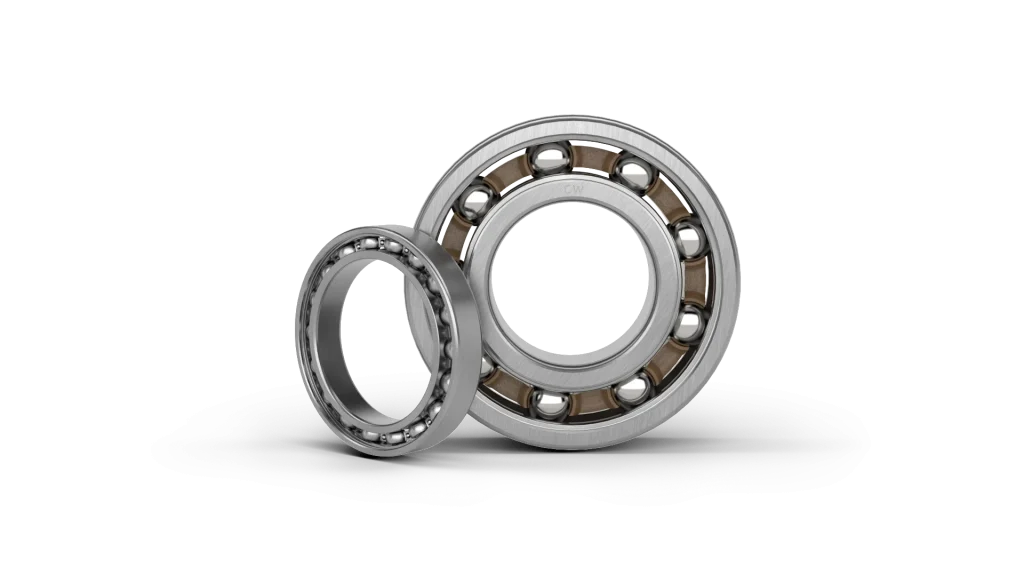
Understanding Plain Bearings and Why Quality Matters
Plain bearings, also known as sleeve or journal bearings, support relative motion between surfaces without rolling elements. Instead of balls or rollers, they rely on sliding contact, often separated by a lubrication film or self-lubricating layer. This design makes them compact, quiet, and highly suitable for heavy loads, oscillating motion, and harsh environments.
However, the simplicity of plain bearings also means quality differences are less visible at first glance. Inferior materials, inconsistent tolerances, or poor surface finishes can lead to rapid wear, seizure, or catastrophic failure. In industries such as mining, construction machinery, steel processing, and energy generation, these failures can halt entire production lines.
That is why experienced buyers rarely ask only about dimensions or price. They ask about alloy composition, tribological behavior, production traceability, and supplier testing capability. A qualified bearing supplier should be able to explain how their plain bearings perform under specific load, speed, and temperature conditions rather than offering generic specifications.
Key Criteria for Identifying High-Quality Plain Bearings
To understand where to find high-quality plain bearings, it helps to define what “high-quality” truly means in an industrial context. Several core criteria consistently separate reliable bearings from short-lived alternatives.
Material selection is the foundation. High-quality plain bearings are produced using carefully engineered materials such as bronze alloys, steel-backed composite materials, PTFE-based liners, or advanced polymer blends. Each material is selected based on load capacity, friction coefficient, corrosion resistance, and lubrication requirements.
Manufacturing precision is equally important. Tight dimensional tolerances, controlled surface roughness, and consistent wall thickness ensure even load distribution and stable lubrication films. Reputable suppliers invest in CNC machining, automated forming, and in-process inspection to maintain repeatability.
Quality assurance systems provide another layer of confidence. Certifications such as ISO 9001 and documented inspection procedures signal that bearings are not produced in isolation but as part of a controlled manufacturing ecosystem. Many buyers also look for batch traceability, material certificates, and fatigue or wear testing data.
Finally, application knowledge matters. A supplier offering a broad portfolio of Lagerprodukte is often better positioned to recommend the right plain bearing solution for a specific machine, rather than forcing a one-size-fits-all option.
Where Industrial Buyers Commonly Source High-Quality Plain Bearings
High-quality plain bearings are most commonly sourced through three primary channels, each serving different procurement needs.
Direct manufacturers are the preferred option for OEMs and large-scale industrial users. These suppliers control raw materials, production processes, and testing methods, allowing consistent quality and customization. They are especially suitable for long-term supply contracts and application-specific designs.
Authorized distributors offer convenience and faster delivery for maintenance and replacement needs. When working with distributors, buyers should confirm authorization status and storage practices to ensure bearing integrity is preserved.
Engineering-oriented suppliers bridge the gap between manufacturing and application support. They focus on selecting and optimizing Lagerprodukte based on real operating conditions, making them valuable partners for complex or non-standard applications.
Online marketplaces may appear attractive due to pricing and availability, but they pose higher risks related to counterfeit products, inconsistent quality, and limited technical accountability.
Comparing Plain Bearing Quality Factors Across Supplier Types
The table below summarizes how different sourcing options compare across key quality factors that matter to industrial buyers.
Table 1: Comparison of Plain Bearing Sourcing Options and Quality Factors
| Sourcing Option | Material Transparency | Manufacturing Control | Application Support | Risk Level |
|---|---|---|---|---|
| Direct Manufacturer | High | High | High | Low |
| Authorized Distributor | Medium to High | Indirect | Medium | Low |
| Engineering Solution Firm | High | Medium to High | Very High | Low |
| Online Marketplace Seller | Low | Unknown | Low | High |
This comparison highlights why experienced procurement teams favor long-term relationships with established manufacturers and technical suppliers when sourcing plain bearings.
The Role of Measurement and Specification Accuracy
Even the highest-quality plain bearing will fail if incorrectly specified or installed. Accurate measurement is therefore a critical step in sourcing and replacement decisions. Buyers and maintenance teams must verify shaft diameter, housing bore, bearing width, and tolerance classes before placing an order.
Understanding fit and clearance requirements is particularly important for plain bearings, as excessive clearance can lead to vibration and wear, while insufficient clearance can cause overheating and seizure. Many sourcing errors trace back to incomplete or inaccurate measurement procedures.
For a structured approach, resources such as how do you measure a bearing provide practical guidance that reduces the risk of costly mismatches and unplanned downtime.
Supplier Evaluation Beyond the Product Itself
Knowing where to find high-quality plain bearings also means evaluating the supplier as a long-term partner rather than a transactional vendor.
Technical support availability is a key differentiator. Can the supplier assist with material selection, lubrication strategy, or failure analysis? Do they offer drawings, performance data, and application case studies?
Supply chain reliability is another consideration. Industrial operations depend on predictable lead times and consistent quality across batches. Suppliers with stable production capacity and global logistics experience are better positioned to support long-term programs.
Sustainability and compliance are becoming increasingly relevant. Many organizations now assess environmental impact, material sourcing practices, and regulatory compliance as part of supplier qualification. Plain bearings produced with responsible material sourcing and efficient manufacturing processes align better with modern ESG requirements.
At this stage of evaluation, engaging directly with a supplier’s technical and sales teams can clarify capabilities and expectations. If you are assessing sourcing options or planning a new project, you can initiate a technical discussion through this contact page: Kontakt.
Common Use Cases That Demand High-Quality Plain Bearings
Certain applications place exceptional demands on plain bearings and therefore require higher sourcing standards.
Heavy construction equipment relies on plain bearings for pivot points and articulation joints subjected to shock loads, dust, and moisture. In these environments, material toughness and sealing compatibility are essential.
Industrial pumps and compressors often use plain bearings in high-speed or high-temperature conditions. Here, consistent lubrication behavior and thermal stability determine service life.
Steel mills, mining conveyors, and power generation equipment expose bearings to continuous operation and extreme loads. In such cases, sourcing from suppliers with proven references in similar industries significantly reduces operational risk.
Understanding these use cases helps buyers align supplier capabilities with real-world demands rather than relying solely on catalog specifications.
Frequently Asked Questions About Sourcing Plain Bearings
Q1: Where to find high-quality plain bearings for heavy-duty industrial use?
High-quality plain bearings are best sourced from established manufacturers or authorized distributors with proven material expertise, quality certifications, and application-specific engineering support.
Q2: Are more expensive plain bearings always better?
Not necessarily. Value lies in suitability and lifecycle cost rather than unit price. A properly specified bearing with moderate upfront cost can outperform a cheaper alternative over time.
Q3: How can buyers avoid counterfeit or substandard bearings?
Work with recognized suppliers, request material certificates and inspection reports, and avoid unverified online sellers for critical applications.
Q4: What information should I provide when requesting a quotation?
Key details include operating load, speed, temperature range, lubrication method, shaft and housing dimensions, and environmental conditions.
Q5: Can plain bearings be customized for specific applications?
Yes. Many manufacturers offer customization in materials, liners, dimensions, and surface treatments to match unique operational requirements.
Why Comdale Is a Trusted Name in Plain Bearing Solutions
At Comdale, we understand that sourcing plain bearings is a decision with long-term consequences. As a professional supplier serving industrial clients worldwide, we focus on delivering reliable plain bearing solutions backed by material science expertise, precision manufacturing, and application-driven support.
Our product portfolio is designed to meet the demands of heavy industry, OEM manufacturing, and maintenance operations, ensuring consistent performance across diverse operating conditions. By combining strict quality control with responsive technical service, Comdale helps customers reduce downtime, extend equipment life, and achieve predictable operating costs.
When reliability matters and performance cannot be compromised, Comdale stands ready to support your bearing sourcing strategy with confidence and clarity.
Referenzen
- Wikipedia, “Plain bearing,” https://en.wikipedia.org/wiki/Plain_bearing
- SKF Group, “Bearing materials and applications,” https://www.skf.com